Houston is the core of Harris County and spills into Fort Bend and Montgomery counties at the edges. Most neighborhoods have natural gas service, which makes a gas-fired standby generator the default choice for a lot of homeowners.
What’s different about generators in Houston
Space is the big constraint inside the city. Small lots, zero-lot-line townhomes and tight side yards make it harder to meet clearance rules from windows, doors and property lines. Flooding is the other one. Many parts of town have flooded more than once, so pad height matters.
Tight lots
Clearance rules from windows, doors and property lines are harder to meet on small lots and townhomes.
Flood history
Many neighborhoods have flooded. A raised pad is common.
Older panels
Older homes may need a panel upgrade before a transfer switch.
Gas is the default
Most homes have natural gas, but meter capacity still needs a check.
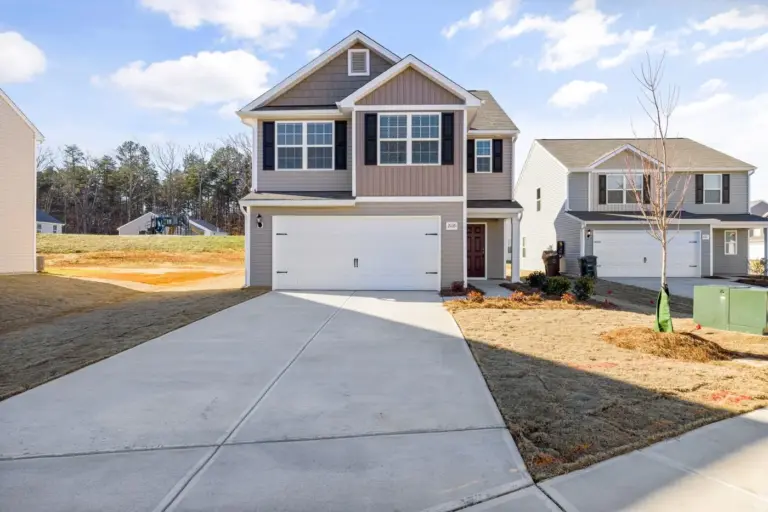
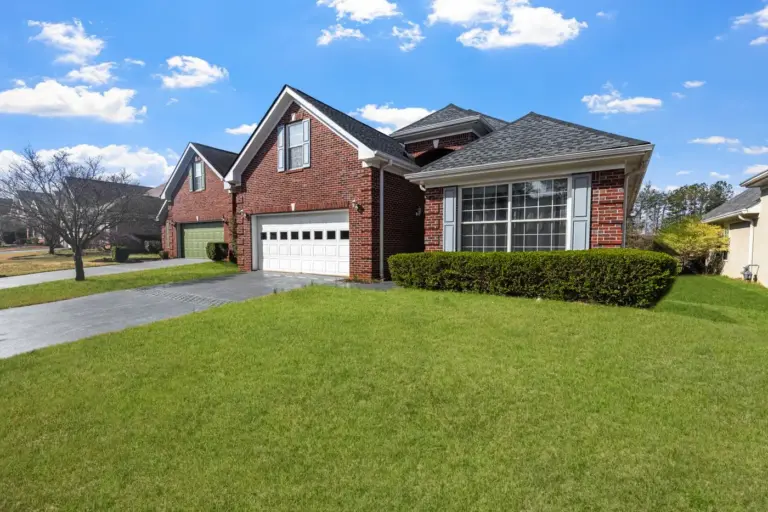
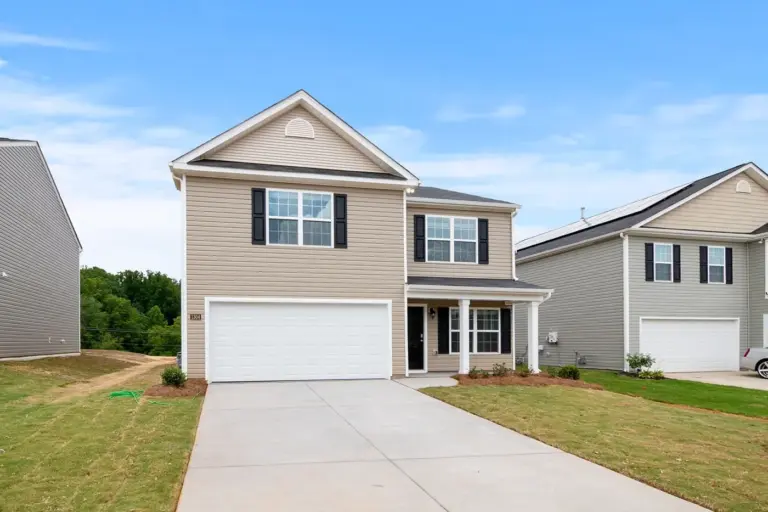
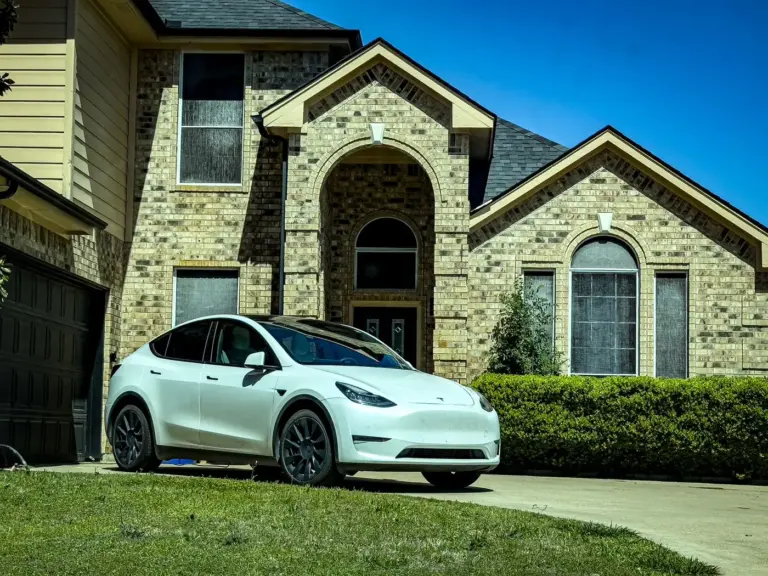
Homes we see in the area
Older pier-and-beam bungalows, 1950s and 60s brick ranches, newer three-story townhomes, and large two-story homes in established neighborhoods. Older homes often have small or outdated panels that need work before a transfer switch goes in. Not sure what your home needs? Start with get a kW range with the size calculator, then read how a whole-house installation works.

Sizing and cost
AC systems, heat type and big electric loads drive the size. Pools, electric dryers and EV chargers usually go on load management. Many homes with two AC systems land around 20 to 26 kW with load management.
Most installed whole-house systems fall between $10,000 and $25,000. See what drives the installed price for the line items, and compare natural gas generators and meter sizing.
Storms, outages and flooding
Beryl in July 2024 and the derecho that May left large parts of Houston without power for days. Uri in 2021 hit the whole city. In flood-prone areas, installers often raise the generator on a taller pad or platform. Once it’s in, what yearly maintenance covers keeps it ready, and when it’s worth repairing an older unit covers the usual failures.
Permits and approvals
Inside city limits, expect City of Houston electrical and plumbing/gas permits and inspections. Deed restrictions or HOA rules apply in many neighborhoods, and some historic districts have their own review. The transfer switch is service-entrance electrical work, so read up on how the transfer switch works.
Permit and inspection rules depend on your exact address and change over time. Your installer should confirm current requirements and pull the permits.
Comparing brands? See how Generac compares with Kohler.
GeneratorsIn is an independent matching service. We don’t install generators and aren’t an authorized dealer for Generac, Kohler or any other brand. Installers are independent businesses that set their own prices.
Get matched with an installer who works Houston
Tell us about your home. Free, no obligation.
Guides for Houston homeowners
Nearby areas
Also helping homeowners in neighboring communities:


Common questions
Can I fit a generator on a small Houston lot or townhome?
Often, yes, but clearance rules from windows, doors and property lines can limit placement. A site visit tells you what’s possible.
Should my generator be raised if I’m in a flood-prone area?
Many installers recommend a raised pad or platform in areas that have flooded. Ask about your property’s flood history at the site visit.
Will my existing gas meter handle a generator?
Sometimes. The installer adds up the generator and your other gas appliances. If it’s over capacity, the utility upgrades the meter.
How much does a whole-house generator cost in Houston?
Most installed systems fall between about $10,000 and $25,000. Panel upgrades, raised pads and long runs push toward the top.
Do I need a permit in Houston?
Yes. Generators inside city limits generally need electrical and gas permits plus inspections. Your installer should pull them.