Size is the single most important decision in a generator purchase. Here’s how installers actually work it out for Houston homes.
- List what has to runAC systems by tonnage, heat type, fridge and freezer, lights and outlets, water heater, range, dryer, pool or well pump, EV charger.
- Account for startup surgeAC compressors pull a short spike when they start. The generator has to handle the biggest one on top of everything else. Soft starters help.
- Pick coverage and load managementWhole home with managed loads, or a smaller unit on essential circuits.
- Check the fuel supplyNatural gas units need enough meter capacity and pipe size. Many generators are rated a bit lower on natural gas than propane.
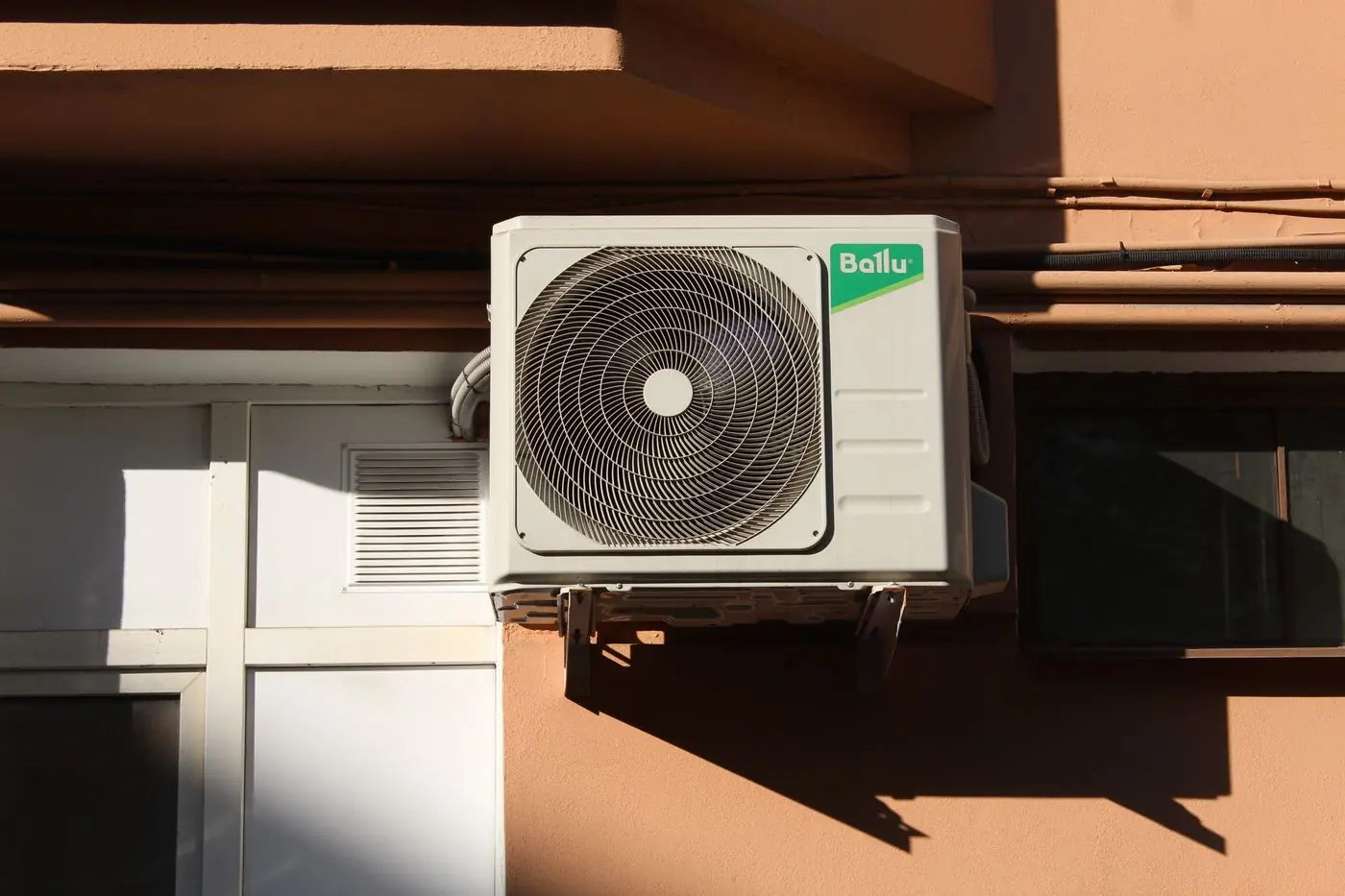
Common ranges for Houston homes
| Home | Typical whole-home range* |
|---|---|
| Smaller home, 1 AC, gas heat | About 14 to 20 kW |
| Mid-size home, 2 AC, gas heat | About 20 to 26 kW |
| Large home, 3+ AC, pool | 26 kW and up, sometimes liquid-cooled |
| All-electric with heat strips | Larger, unless heat is managed |
*With load management. Your installer’s load calculation is what counts.
22 kW or 26 kW?
This is the most common question we hear. The answer comes down to how many AC systems you have, their size, and whether you have electric heat or a pool. Two mid-size systems with gas heat often fit the smaller size with load management. Add a third system or heat strips and the larger size starts to make sense.
Bigger isn’t automatically better. An oversized unit costs more, may need a bigger gas meter, and runs inefficiently at light loads.
Try the calculator
Get a kW range for your home in under a minute.
Common questions
Is a bigger generator always better?
No. It costs more to buy and install, may need a bigger gas meter and runs inefficiently at light load. Right-sizing with load management is usually better value.
Running watts vs. starting watts?
Running watts are steady use. Starting watts are the brief spike when motors like AC compressors start. The generator must cover the biggest spike plus the running load.