Think of the transfer switch as the brains of the system. It watches the grid, starts the generator, and makes sure generator power never backfeeds onto lines CenterPoint crews are working on.
The four types
Whole-home automatic
Sits between meter and panel and transfers the entire house. Usually paired with load management.
Essentials automatic
Feeds a sub-panel of chosen circuits. Lower cost, smaller generator.
Manual switch
For portable generators. You start it and flip the switch.
Panel interlock
A low-cost, code-recognized option for portables when installed and permitted by an electrician.
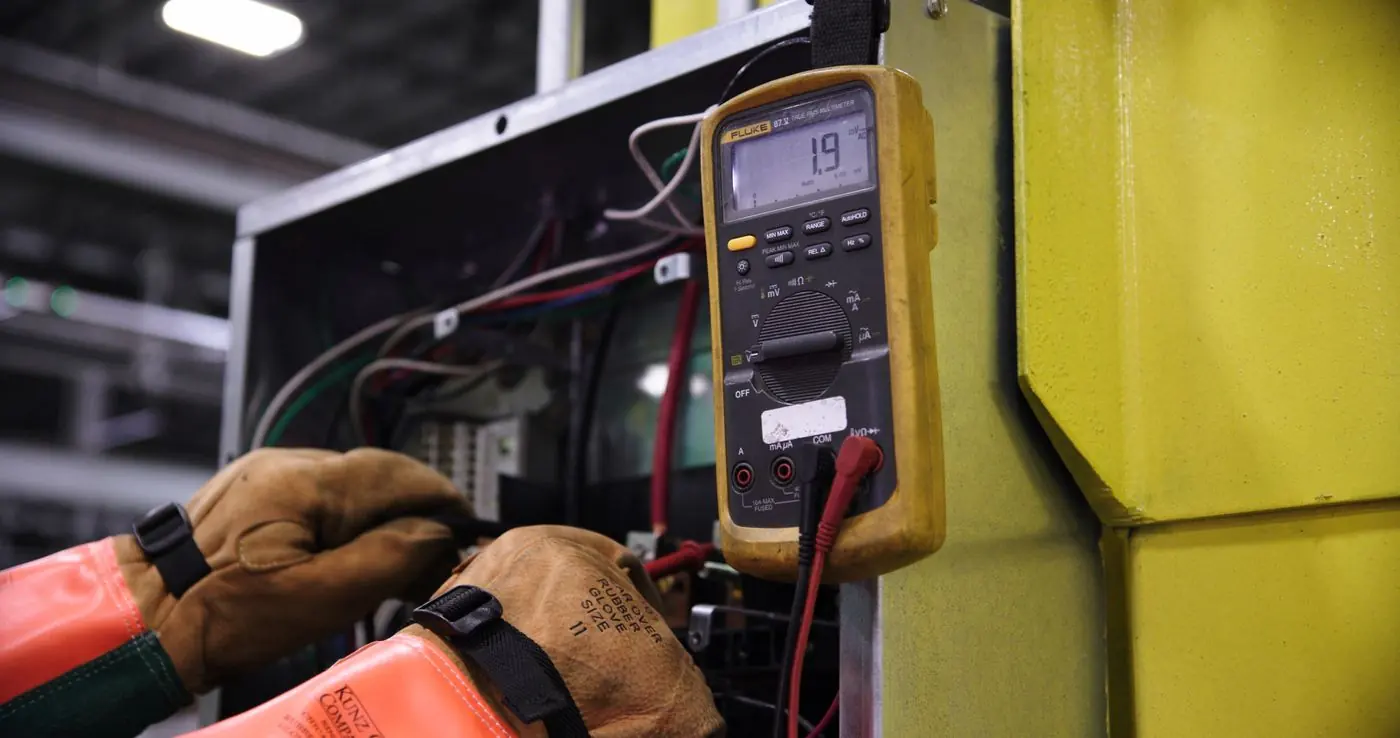
Load management
Smart modules pause big loads like a second AC, dryer, pool pump or EV charger, then bring them back when there’s room. In homes with several AC systems, this is often what makes whole-home coverage affordable.
Permits and the panel
This is service-entrance electrical work. It needs a licensed electrician, a permit, an inspection, and sometimes the utility pulling your meter. Older panels may need replacing first.
Never backfeed through a dryer outlet with a double-ended cord. It can electrocute line workers and start fires. Use a transfer switch or interlock.
Get a transfer switch estimate
We’ll match you with a licensed electrician who does generator work.
Common questions
What does an automatic transfer switch do?
It senses the outage, starts the generator, moves your home’s load over, and switches back when grid power returns. It also prevents backfeed.
Can I use an interlock instead?
For a portable generator, yes, when a licensed electrician installs it with a permit. Standby generators use automatic switches.